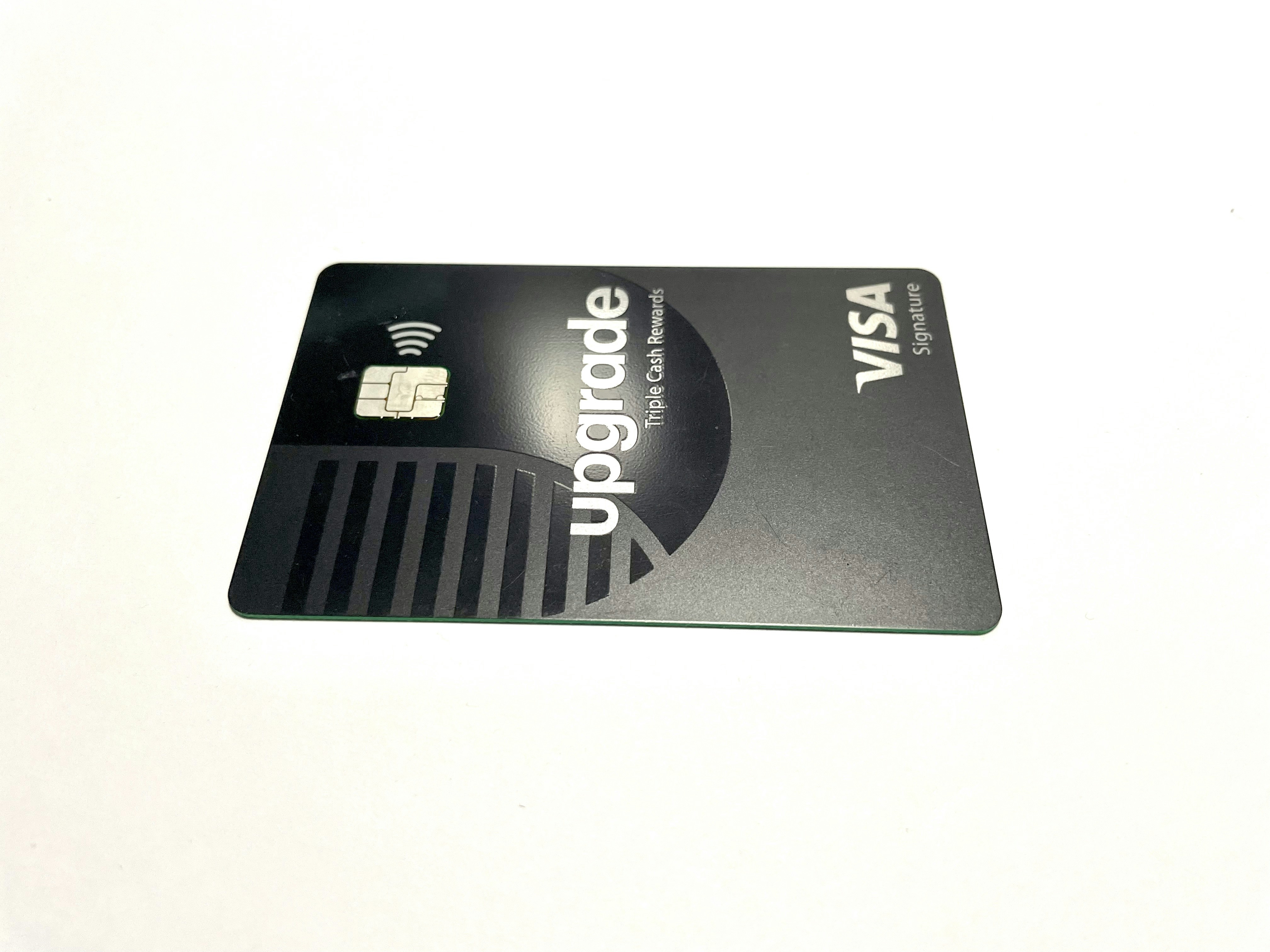
Understanding Cashback Credit Cards
Cashback credit cards are a type of financial product designed to reward consumers for their everyday spending by offering a percentage of the total amount spent back as cash rewards. Unlike traditional credit cards that may provide points or miles for travel rewards, cashback cards return a portion of the purchase price directly to the cardholder, making them a simple and appealing choice for many. When using a cashback credit card, individuals can typically expect to earn between 1% to 5% back on eligible purchases, with often higher percentages on specific categories such as groceries, gas, or dining out.
The core concept of cashback revolves around earning back a portion of what one spends. For instance, if a user makes a purchase of $100 at a store that offers a 2% cashback rate, they would earn $2 in rewards. Over time, these small rewards can accumulate, allowing cardholders to benefit from their regular expenditures. There are generally two main types of cashback rewards: flat-rate cashback and tiered cashback. Flat-rate cards offer a consistent percentage across all purchases, while tiered cards provide varying rates depending on the category of the purchase, encouraging consumers to focus their spending within those areas.
What distinguishes cashback credit cards from other credit card options is their simplicity and transparency. Users can easily track their cashback rewards through mobile apps or online accounts, making it straightforward to see how much they have earned. Moreover, many cashback cards come with additional features such as no annual fees, sign-up bonuses, and introductory offers, further enhancing their appeal. Utilizing cashback credit cards for everyday purchases can lead to significant savings, making them a useful tool for responsible financial management.
How to Choose the Right Cashback Credit Card
Choosing the right cashback credit card can significantly impact your financial health and reward potential. First and foremost, examine the annual fees associated with the card. While some cards offer enticing cashback rates, they may also charge high fees that could negate the benefits of the rewards earned. Seek a card where the rewards outweigh the costs, especially if you are planning to keep the card long-term.
Next, consider the cashback rates offered on various categories of spending. Many cashback credit cards feature tiered rewards systems, providing higher percentages for specific categories, such as groceries, gas, or dining. Evaluate your spending habits to identify which categories you spend the most on, and choose a card that aligns with those patterns to maximize your rewards.
Another aspect to investigate is the rewards cap. Some credit cards limit the amount of cashback you can earn in a specific category or overall within a time frame. Ensure the card’s limits match your spending habits; exceeding these caps means missing out on potential cashback earnings. Moreover, assess the redemption options provided by the card issuer. Flexible redemption choices, such as statement credits, gift cards, or merchandise, often enhance their appeal.
It is crucial to read the fine print before finalizing your decision. Terms and conditions often include important details about eligibility for bonuses, expiry periods for rewards, and other restrictions. Take time to compare multiple cards, considering factors such as sign-up bonuses and promotional offers. Assessing all these elements will aid in selecting a cashback credit card that aligns with your lifestyle, ensuring you reap the maximum rewards while minimizing costs.
Maximizing Your Cashback Rewards
Leveraging cashback credit cards effectively requires strategic planning and disciplined spending habits. To maximize cashback rewards, it is essential first to categorize daily spending according to the credit card’s rewards program. Many cashback cards offer varying rates of rewards for different categories such as groceries, gas, dining, or travel. For instance, if your card offers 5% cashback on groceries, prioritize your grocery shopping on this card over the others. Analyzing spending habits can help you determine which category earns the most rewards, allowing for optimal cashback accumulation.
In addition to effective categorization, taking full advantage of promotional offers can significantly boost your cashback earnings. Credit card companies frequently run promotions that offer increased cashback on specific purchases or during certain periods. Keeping an eye on these offers and planning purchases around them can lead to increased returns. Sign-up bonuses often present a considerable incentive for new cardholders, as many cashback cards provide a cash bonus after spending a certain amount within the first few months. Utilizing these sign-up bonuses helps increase total cashback quickly.
Timely payments play a critical role in maximizing cashback rewards. Ensuring that payments are made on time not only protects your credit score but also prevents any interest charges that can negate the benefits of cashback earnings. A consistent, responsible payment history can bolster your credit score, allowing you to qualify for even better cashback credit card offers in the future. Furthermore, maintaining a healthy credit score opens up opportunities for premium rewards programs with higher cashback rates, thus amplifying your cashback potential significantly. By implementing these strategies, cardholders can maximize their cashback rewards effectively.
Common Pitfalls and How to Avoid Them
While cashback credit cards offer substantial benefits, they also come with potential pitfalls that users must navigate to maximize their rewards effectively. A common issue that arises is the accumulation of debt. It is tempting to overspend to earn rewards, but this approach can lead to high balances and interest charges that negate any cashback benefits. Therefore, it is crucial to establish a budget and only use the card for essential purchases that align with your spending habits.
Another significant concern is the risk of missing payment deadlines. Failing to make timely payments can result in late fees and increased interest rates, further diminishing the attractiveness of cash rewards. Setting up automatic payments or reminders can help ensure that you manage your bills effectively, thereby avoiding unnecessary charges.
There are also misconceptions surrounding cashback credit cards that can impact users adversely. Some consumers believe that all purchases will yield maximum rewards without recognizing that many cards have limitations or different reward structures. For instance, certain categories or types of spending may offer higher cashback percentages than others. Understanding the terms and conditions of your card is vital to prevent underwhelming rewards.
Moreover, relying solely on cashback rewards can lead to overspending. A balanced approach encourages users to consider the benefits and risks associated with credit card use. Regularly reviewing your transactions and spending patterns can provide insights that reinforce positive financial habits. By establishing a strategy that prioritizes responsible spending, you can enjoy the benefits of cashback credit cards without falling into the traps of overspending or debt accumulation.